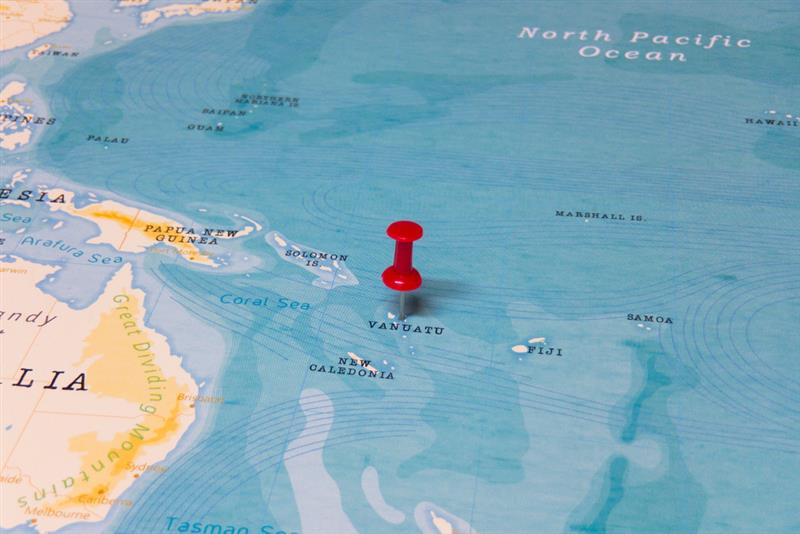
When Marcus Chen, a technology entrepreneur from Singapore, first inquired about obtaining Nauru citizenship, he faced the same question many foreign nationals ask: is it actually possible for someone without ancestral ties to become a citizen of this Pacific island nation? His journey through Nauru's citizenship pathways provides valuable insights into the realistic options available to foreigners seeking to establish legal ties with the country.
Initial Assessment and Available Pathways
Marcus began his research in early 2022, motivated by both business expansion opportunities in the Pacific region and a desire for greater travel flexibility. Like many prospective applicants, he initially assumed that citizenship by investment would be his primary route, given his financial capacity and the prevalence of such programs in other jurisdictions.
During his preliminary consultation, Marcus learned that Nauru's approach to granting citizenship to foreigners differs significantly from Caribbean or European programs. The country does not operate a formal citizenship by investment scheme with published investment thresholds and guaranteed timelines. Instead, foreign nationals can pursue citizenship through several established legal pathways:
- Naturalization through residence — requiring extended physical presence and integration into the community
- Marriage to a Nauruan citizen — with specific residency and relationship requirements
- Exceptional contribution — for individuals who provide significant economic, cultural, or social benefit to Nauru
- Special consideration by Cabinet — discretionary grants in cases of national interest
The assessment phase revealed that Marcus's business interests in renewable energy infrastructure aligned well with Nauru's development priorities, potentially positioning him for consideration under the exceptional contribution category.
The Application Journey: Timeline and Milestones
Marcus's path to citizenship unfolded over approximately 28 months, considerably longer than he initially anticipated but ultimately successful. The process required patience, genuine commitment, and substantial documentation.
- Month 1-3: Initial consultation, background research, and preliminary discussions with legal advisors familiar with Nauru's citizenship framework. Marcus engaged a law firm with Pacific jurisdiction experience to guide the process.
- Month 4-6: First visit to Nauru to explore business opportunities and establish initial contacts with government officials and local business community. This phase included meetings with the Department of Justice and Border Control.
- Month 7-12: Development of a detailed business proposal for a solar energy project that would create local employment and reduce the nation's dependence on imported diesel fuel. This period also involved securing local partners and conducting feasibility studies.
- Month 13-18: Formal submission of citizenship application based on exceptional contribution, accompanied by the business proposal, financial documentation, police clearances from all countries of previous residence, and character references. Marcus made two additional visits to Nauru during this period to demonstrate commitment.
- Month 19-24: Review period by relevant government departments, including security vetting and assessment of the proposed economic contribution. Marcus began preliminary implementation of his business project during this phase, establishing goodwill and demonstrating serious intent.
- Month 25-28: Final Cabinet consideration, approval in principle, oath of allegiance ceremony, and issuance of citizenship certificate and passport.
Throughout this timeline, Marcus maintained regular communication with his legal representatives and made a total of six visits to Nauru, spending approximately 90 days in the country across these trips.
Investment and Financial Considerations
While Nauru does not publish fixed investment amounts for citizenship, Marcus's case illustrates the financial commitment typically involved in successful applications based on economic contribution.
His total expenditure included several components beyond the direct business investment. Legal and advisory fees amounted to approximately $45,000 over the course of the application. Government processing fees, while modest compared to other citizenship programs, totaled around $8,000. Travel expenses for multiple visits, including accommodation and local transportation, added another $15,000 to the overall cost.
The core business investment — the solar energy project — represented a commitment of $850,000 over three years, with the first phase of $300,000 deployed before citizenship approval to demonstrate genuine intent. This investment created 12 local jobs and provided renewable energy capacity for approximately 200 households.
The financial threshold isn't officially published, but my advisors indicated that meaningful economic contributions typically start around $500,000 for business investments that create employment and align with national development goals. The key is demonstrating genuine commitment rather than simply writing a check.
Comparing Costs to Other Programs
Marcus noted that while his total investment exceeded the minimum thresholds of some Caribbean citizenship by investment programs, the absence of rigid program fees and the flexibility to structure contributions around genuine business opportunities provided advantages. Unlike donation-based programs, his investment generated ongoing returns while fulfilling citizenship requirements.
Challenges Encountered and How They Were Addressed
The journey was not without obstacles. Marcus faced several challenges that required creative problem-solving and persistence.
The first significant hurdle emerged around month 10, when initial government contacts were reassigned to different departments, causing communication delays. Marcus addressed this by engaging a local liaison who understood the governmental structure and could navigate bureaucratic channels more effectively. This decision proved crucial in maintaining momentum.
Documentation requirements presented another challenge, particularly regarding the authentication of foreign documents. Singapore-issued certificates required apostille certification, translation, and then verification by Nauru's diplomatic representatives. This process alone consumed six weeks and required coordination across three countries.
Perhaps the most substantial challenge was demonstrating genuine ties to Nauru beyond financial investment. Immigration authorities sought evidence of cultural understanding and commitment to integration. Marcus addressed this by learning basic Nauruan phrases, participating in community events during his visits, and establishing mentorship relationships with local entrepreneurs who would benefit from knowledge transfer in renewable energy sectors.
The lack of published timelines and transparent process stages also created uncertainty. Unlike structured citizenship by investment programs with defined milestones, Marcus often operated without clear visibility into application status. Regular communication with legal advisors and maintaining realistic expectations helped manage this ambiguity.
Outcome and Practical Benefits Realized
Marcus received his Nauru citizenship and passport in November 2024. The outcome provided several practical advantages that aligned with his original objectives, though some benefits differed from his initial expectations.
The Nauru passport granted visa-free or visa-on-arrival access to over 80 countries, including key Pacific nations, several Asian jurisdictions, and some Commonwealth countries. While not as extensive as major passport rankings, this access proved valuable for his regional business activities. The citizenship also provided a legitimate second nationality for diversification purposes, an increasingly important consideration for internationally mobile entrepreneurs.
From a business perspective, Nauru citizenship facilitated easier establishment of regional operations and simplified banking relationships within Pacific jurisdictions. Marcus found that holding citizenship rather than operating purely as a foreign investor enhanced credibility with local partners and government agencies across the region.
Tax implications were relatively favorable, as Nauru does not impose personal income tax on foreign-sourced income for its citizens. However, Marcus remained subject to taxation in Singapore based on his residency status there, making professional tax advice essential for compliance in both jurisdictions.
The citizenship also came with responsibilities, including potential obligations for civic participation and maintaining genuine ties to the country. Marcus committed to visiting Nauru at least twice annually and continuing his business operations there, viewing these not as burdens but as integral to the relationship he had established.
Unexpected Advantages
Several benefits emerged that Marcus had not initially anticipated. The small size of Nauru's community meant that as a citizen-investor, he gained direct access to senior government officials and policymakers, facilitating business efficiency. The renewable energy project also positioned him as a thought leader in Pacific sustainability initiatives, opening doors to regional development projects and partnerships.
For foreign nationals considering whether citizenship in Nauru is achievable, Marcus's case demonstrates that while the path differs from standardized investment programs, it remains accessible to those willing to make genuine contributions and commit to a multi-year process. The key factors in his success included substantial economic investment aligned with national priorities, patience with administrative processes, repeated physical presence in the country, and demonstrated cultural respect and integration efforts.
If you are exploring citizenship options in Nauru and want to understand whether your circumstances might qualify for consideration, professional guidance tailored to your specific situation is essential. Our team can provide a confidential assessment of your eligibility and outline realistic pathways based on your background and objectives — contact us to begin a conversation about your citizenship goals.